Stainless Steel vs Plastic Trash Cans: Which Is Better? (October 2026)
Choose stainless steel for a metal finish or a dent-resistant plastic model for its body and bag features. Your kitchen style, cleaning habits and need for a removable bucket or pet-lock lid can settle the stainless steel vs plastic trash can choice.
On this page (9 sections)
- Stainless Steel vs Plastic Trash Cans
- Stainless steel vs plastic trash can: which should you choose?
- How does each material look in a kitchen?
- Which body handles dents and daily bumps better?
- Which is easier to keep clean?
- Does the bag setup matter more than the material?
- Which material suits a pet-friendly kitchen?
- Which features should you compare before buying?
- Which trash can should you choose?
Stainless Steel vs Plastic Trash Cans
Choose stainless steel for a brushed metal look or one of these plastic models for a body designed to resist dents. In a stainless steel vs plastic trash can comparison, your choice also depends on bag changes, cleaning and lid features.
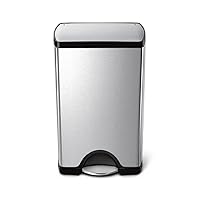
The simplehuman 50 L Rectangular Step Can has a brushed stainless steel body and a removable inner bucket. The simplehuman 45 L Plastic Step Can has a grey plastic body, a stainless steel liner rim and a pocket that holds 20 liners.
Those examples show that material isn't the only difference. Think about the whole can, including the bag setup, moving features and whether you need a lid lock.

 Best for a dent-resistant plastic body
simplehuman 45 L Plastic Step Can
Stainless steel vs plastic trash can: which should you choose?
Pick stainless steel for the metal finish or plastic if you prefer the grey or black bodies and their features. Both materials appear in kitchen step cans, so consider how visible the can is and what sits beside it.
Stainless steel can suit a kitchen where you want the trash can to match metal appliances or fixtures. simplehuman says its steel model's fingerprint-proof finish resists smudges, although it may still need wiping.
The plastic options here give you grey or black instead of a full steel exterior. simplehuman describes its grey plastic body as dent-proof and fingerprint-proof.
Compare exact features instead of assuming every can made from one material works the same way. The grey plastic can has a stainless steel liner rim, while the EKO has a stainless steel pedal.
How does each material look in a kitchen?
Brushed stainless steel gives you a metal finish, while these plastic cans give you grey or black bodies. Choose based on what you want the can to look like beside cabinets or appliances.
A brushed steel exterior can blend with metal finishes around the kitchen. It can also stand out against painted cabinets, so consider the finish alongside your room's colors.
Choose grey or black plastic if either color fits your kitchen better than steel. The simplehuman model has a grey body, while the EKO pet-lock model has a black resin body.
The material alone doesn't determine whether a trash can looks neat. A hidden bag rim and a can sized for its spot can matter just as much.
For help matching capacity and shape to a kitchen, use our kitchen trash can sizes guide. It can help you narrow the dimensions before choosing a finish.
Which body handles dents and daily bumps better?
The plastic models have dent-resistance claims, so they deserve a look if bumps are a concern. That doesn't establish how they compare with the steel can under the same conditions.
simplehuman describes its plastic body as dent-proof, and EKO describes its resin body as dent-resistant. Consider those features if the can will sit near a chair, pantry door or frequently used walkway.
The steel simplehuman model has a smudge-resistant finish and built-in wheels. Its non-skid base has rubber pads designed to keep the can steady and be gentle on floors.
Don't assume either material is immune to damage. Check the shape, base and placement, and leave enough room for nearby drawers and doors to open.
Our best stainless steel trash cans guide compares steel options if you already know you want that finish.
Which is easier to keep clean?
The removable inner bucket gives the steel model a clear cleaning feature. EKO describes its resin body as easy to wipe clean, so consider both the inside and outside when choosing.
The simplehuman steel model's inner bucket catches messy drips and lifts out for cleaning. That can be useful if food scraps or liquid escape the bag.
The simplehuman plastic model uses a liner rim to grip and hide the bag instead of an inner bucket. Its bullets and description specify this bucket-free design, though its feature summary conflicts, so confirm the bucket setup before ordering if it matters to you.
Stainless steel care depends on the finish and the brand's directions. Follow our guide to cleaning a stainless steel trash can for a careful routine.
Does the bag setup matter more than the material?
Bag features may settle your choice if changing liners matters more to you than the exterior finish. Decide whether you prefer a removable bucket, a liner pocket or a bag fixer.
The steel simplehuman can has a removable inner bucket and a bucket-park position for changing a bag. Its Code Q liners are designed to stay hidden and in place.
The grey plastic simplehuman can has a liner rim that grips and hides the bag, plus an internal pocket for 20 liners. Its Code K liners are designed for this can.
The EKO plastic model has no inner bucket and includes a bag fixer intended to reduce slipping and overhang. EKO recommends Code J bags for future refills, though some cans may arrive with usable Code F trial bags.
If you're choosing a can for its finish but aren't sure about capacity, start with our guide to choosing a kitchen trash can. It covers size, lids and odor control alongside material.
Which material suits a pet-friendly kitchen?
Prioritize a locking lid over body material when pets can reach the trash. A steel or plastic exterior alone doesn't secure the lid.
EKO designed the EKO 12 Gal Pet-Lock Plastic Step Can with a locking lid to help keep pets out. EKO also describes its resin body as dent-resistant and easy to wipe clean.
A locking lid doesn't guarantee that every pet will be kept out. Consider the can's location as well as its lid, especially if your pet noses or paws at the trash.
For more ideas, see our guide to dog-proofing a kitchen trash can. A suitable lid and a location pets can't reach can work together.
Which features should you compare before buying?
Compare capacity, lid behavior, bag changes and placement before choosing by material alone. These details help you judge whether a can fits your routine and the space beside your cabinets.
The 50 L steel model has a stay-open lid, internal hinge, non-skid base and built-in wheels. The grey plastic model has a liner pocket, wide stable base and soft-close lid.
The EKO plastic model adds a locking lid and a stay-open mode at 90 degrees. It measures 36.6 inches high with its lid open, which matters beneath a counter or shelf.
Measure the floor area and allow room for the lid to open. For more layout advice, see where to put a trash can in a kitchen.
Stainless steel vs plastic trash can pedal features
All 3 cans use foot pedals, so body material doesn't decide how you open them. Compare the lid and pedal features alongside the exterior.
simplehuman says both of its steel pedals are engineered for over 150,000 steps. EKO says its stainless steel pedal was tested for over 100,000 open-close cycles.
Those are brand durability claims, not measured lifespans for your kitchen. Our score weighs specs and features against what you're shopping for.
Which trash can should you choose?
Choose the simplehuman 50 L Rectangular Step Can for its brushed metal finish, removable inner bucket and wheels. In this stainless steel vs plastic trash can comparison, those are its clearest reasons to choose steel.
Choose the simplehuman 45 L Plastic Step Can if you prefer a grey body, hidden liner and stored liners. Choose the EKO 12 Gal Pet-Lock Plastic Step Can if a locking lid is your priority.
Match capacity and bag features to your routine before settling on a material. For more styles and lid types, use our best kitchen trash cans guide.
See it on Amazon{rel="sponsored nofollow"}
See it on Amazon{rel="sponsored nofollow"}
See it on Amazon{rel="sponsored nofollow"}
Frequently asked questions
Is a stainless steel or plastic trash can easier to clean?
A removable bucket can matter more for cleaning than the body material. The simplehuman 50 L Rectangular Step Can has a bucket that lifts out for cleaning, while EKO describes its resin body as easy to wipe clean.
Follow the care instructions for the can you choose.
Do plastic trash cans dent?
The plastic cans here have dent-resistance claims, but that doesn't mean every plastic can handles bumps the same way. simplehuman describes its grey body as dent-proof, while EKO describes its resin body as dent-resistant. Choose a spot with clearance from nearby doors and drawers.
Does stainless steel or plastic last longer?
There's no established lifespan winner between these cans based on material alone. simplehuman backs the steel model with a 10-year warranty and the plastic model with a 5-year warranty. Those terms can help you compare coverage, but they don't establish how long either can will last.
Which material is better for a kitchen with pets?
A locking lid matters more than the body material when pets can reach the trash. EKO designed the EKO 12 Gal Pet-Lock Plastic Step Can with a locking lid to help keep pets out.
It isn't a promise that every pet will be kept out, so placement still matters.
Should I choose a trash can with an inner bucket?
Choose an inner bucket if you want a removable container for cleaning or catching drips. The simplehuman 50 L Rectangular Step Can has one, while the simplehuman 45 L Plastic Step Can uses a liner rim without an inner bucket.
Pick the setup that suits your bag-changing routine.