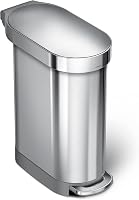
How to Choose a Kitchen Trash Can: Size, Lid and Odor
Choose the best trash can by matching capacity and shape to your daily waste, then check the lid, bag fit, cleaning needs and odor control. Measure the spot with the lid open before you choose a step, sensor or dual-compartment model.
On this page (6 sections)
Choose the best trash can by matching capacity and shape to your daily waste, then check the lid, bag fit, cleaning needs and odor control. Measure the spot with the lid open before you choose a step, sensor or dual-compartment model.
A can that holds enough waste may still block a cabinet or be awkward to use. Start with how much trash you produce, where the can will sit, and how you want to open it.
For a quick capacity comparison, see our kitchen trash can sizes guide. The best size is the one that fits your routine and the space you have.
How do you choose the best trash can size?
Choose capacity based on how fast your household fills a bag and how often you want to empty it. A 13-gallon can is a useful starting point for many kitchens, but the right size depends on your waste and available floor space.
| Your routine | A practical starting point |
|---|---|
| You take out trash often or have little floor space | A smaller or slim can |
| You want a familiar kitchen-bag size | A 13-gallon can |
| You produce more waste between collection days | A larger single-compartment can |
| You sort recycling at home | A dual-compartment can |
These are starting points, not household rules. Food scraps, packaging and how often you cook can change how quickly a can fills.
Think about bag changes as well as capacity. A larger can may mean fewer changes, but a full, heavy bag can be harder to lift.
What should you measure before choosing a kitchen trash can?
Measure the floor footprint, nearby obstacles and lid clearance before buying. Capacity describes how much a can holds, but it does not tell you whether its shape fits your kitchen.
Measure the width and depth of the spot, including space needed to walk past it. Check drawers, cabinet doors and appliances that swing into the same area.
Then check the can’s height with the lid open. A sensor model needs overhead clearance for its lid, while a step can also needs room to stand and press the pedal.
If placement is still an open question, our guide on where to put a trash can in a kitchen covers common spots and trade-offs.
Which trash can lid style fits your routine?
Choose a step pedal for direct foot control or a sensor for motion-triggered opening. If sorting matters most, look for dual compartments, then check how the lid opens.
| Lid or compartment setup | Fits best when | Check before choosing |
|---|---|---|
| Step pedal | You want to open the lid with your foot | Pedal clearance and lid-open height |
| Motion sensor | You prefer motion-triggered opening | Battery needs, sensor position and lid clearance |
| Dual compartment | You sort trash and recycling in one place | Width, opening mechanism and liner fit |
A step can has a mechanical pedal, so it does not rely on a motion sensor. Battery-powered sensor cans add batteries to your maintenance routine.
Some lids can stay open for longer tasks such as meal prep. Check for that feature if you often scrape plates or empty containers over the can.
Should you choose a step or sensor kitchen trash can?
Choose a step can if you prefer a pedal, or a sensor can if you want the lid to open when you move a hand near it. The better choice depends on how you work around the can and what maintenance you’re comfortable with.
A sensor lid can be useful when your hands are occupied, but a battery-powered model needs fresh batteries. A step pedal gives you a direct action to open the lid, and it needs clear space for your foot.
Compare more options in our best touchless trash cans guide or best step trash cans guide. If you want to weigh the trade-offs side by side, see touchless vs step trash cans.
How much should odor control matter?
If food scraps stay in the can between bag changes, prioritize a lid that closes securely and a bucket or liner setup you can clean easily. Odor control also depends on taking out waste and cleaning spills, not just on the can’s lid.
A lid can help contain smells while closed, but residue inside the can can linger. Choose a can with a removable bucket or inner rim if that will make bag changes and cleaning easier for you.
Wet scraps and leaks can leave a mess under the liner. Empty the can before the bag gets too heavy, and wipe and dry the inside when you change it.
For a routine focused on odor, read how to keep a kitchen trash can from smelling. If stainless steel is your preferred finish, our stainless steel trash can cleaning guide explains basic care.
What should you check about bags and cleaning?
Look for a bag setup that stays in place and is easy to replace, then consider how much of the can you can reach when cleaning. A liner rim, inner bucket or built-in liner storage can each make bag changes simpler in different ways.
Some cans grip a bag around the rim; others use a removable inner bucket. Check whether the bag size you already buy fits, especially if you want to avoid custom liners.
Removable parts help you reach surfaces where spills collect. Consider whether you can lift the bucket out and wipe the inside without moving the whole can.
Stainless steel can be wiped clean, but visible marks and fingerprints vary by finish. If the can will sit in view, choose a finish whose upkeep suits you.
Which kitchen trash can features fit different needs?
The best fit depends on your main priority: liner storage, recycling in one footprint, motion-triggered opening or a removable bucket. These examples show how capacity and features can serve different routines.
Room for daily kitchen waste
The simplehuman 45 L Rectangular Step Can is a single-compartment step model with a liner rim, a built-in pocket that dispenses liners, and a slow-closing lid.
Choose it if you want a 12-gallon container and a pedal-operated lid. Check the 15.9 x 13.3 in footprint and 25.8 in height against your available space.
Trash and recycling together
The simplehuman 58 L Step Recycler combines a trash compartment with a handled recycling bucket in one can. Its trash side uses a liner rim, and the recycling bucket lifts out for carrying.
Choose it if sorting at the source matters and a 22 in width works for your kitchen. Its 58-liter capacity covers both compartments, so consider how much space you need for each waste stream.
Motion-triggered opening
The EKO Mirage-T 13 Gal Sensor Can uses motion-sensor opening and has a removable inner rim to hold the bag. It runs on AA alkaline batteries, which are not included.
Choose it if sensor operation fits your habits and you’re comfortable replacing batteries. Allow for its 36 in height with the lid open, and use AA alkaline batteries rather than rechargeable ones.
A straightforward step can
The Songmics 13 Gal Stainless Step Can has a foot pedal, a removable inner bucket and a lid designed to close slowly. The bucket has a bag hole to help secure the liner and keep its edges out of view.
Choose it if you want a single-compartment step can and have room for its 17 x 14.6 in footprint. Check the lid-open clearance and access to the pedal before choosing a spot.
What final checks help you choose the best trash can?
Choose the best trash can by confirming capacity, footprint, lid operation, bag fit and cleaning access in that order. A feature only helps if it suits your space and everyday routine.
Before deciding, compare the can’s measurements with your kitchen and ask:
- Will it hold the waste you produce between bag changes?
- Can its lid open fully without hitting a counter or shelf?
- Can you reach the pedal or sensor without blocking a walkway?
- Can you use your preferred bags?
- Can you remove or clean the parts that may catch spills?
- If it has two compartments, will both sections be useful?
Pick a single step can for simple foot-operated use, a sensor can for motion-triggered opening, or a dual-compartment model if sorting in one footprint is your priority. For more options, browse our best kitchen trash cans guide.
Frequently asked questions
What size kitchen trash can should I get?
Choose capacity based on how quickly your household fills a bag and how often you want to take it out. A 13-gallon can is a common starting point, while a 45-liter can holds about 12 gallons, so compare capacity alongside the footprint and lid clearance to find a size that fits.
Is a step or sensor trash can better?
Choose a step can for direct foot control without batteries, or a sensor can for motion-triggered opening. Both let you open the lid without using your hands, so compare pedal access, battery needs and a stay-open option if you often need the lid open during meal prep.
How can I keep a kitchen trash can from smelling?
Empty food scraps regularly, clean spills inside the can, and let wet parts dry before replacing the liner. A lid can help contain odors but does not remove residue, so use our guide to keeping a kitchen trash can from smelling to build a regular cleaning routine.
Do I need a separate recycling bin?
A dual-compartment can keeps trash and recycling together in one footprint, while separate bins give you more placement options. Choose based on the room each waste stream needs and your available floor space, then check local recycling rules before deciding what belongs in the recycling side.
How do I know if a trash can will fit?
Measure the floor space, nearby doors and drawers, and the can's height with its lid open. Leave room to use the pedal or sensor, remove any bucket and change a bag, then compare the outside dimensions because cans with similar capacity can have different shapes.