Battery Operated Trash Can: What to Check
Choose a battery operated trash can around your kitchen routine: EKO Mirage-T for longer loading tasks, iTouchless for a manual lock and odor filter, or Ninestars XL for larger waste loads. Measure lid clearance and check the required batteries before buying.
On this page (10 sections)
- What should you check before buying a battery operated trash can?
- Which battery type and power option should you choose?
- Who should choose the EKO Mirage-T?
- How much capacity and space do you need?
- Which lid features matter for pets, smells and daily use?
- How should you set up a sensor trash can?
- How do you prevent bag slips and difficult cleanup?
- What mistakes should you avoid with a battery powered bin?
- What should you do if the can stops responding?
- Which battery operated trash can should you choose?
A battery operated trash can is a good fit if you want hands-free opening without placing the bin beside an outlet. Choose the EKO Mirage-T for longer loading tasks, iTouchless for its manual lock and odor filter, or Ninestars XL for larger waste loads.
The right choice also needs to fit your floor space, open beneath nearby cabinets and accept bags you can remove without a struggle. A useful lid control can matter more than a long battery-life claim.
For a broader comparison of hands-free designs, see our best touchless trash cans.
What should you check before buying a battery operated trash can?
Start with placement, waste volume and lid controls, then compare power needs. These checks narrow the choice faster than picking whichever model promises the longest battery life.
| Check | What to confirm | Why it matters |
|---|---|---|
| Power | Battery type, count and approved adapter support | Determines replacement supplies and outlet needs |
| Placement | Floor space, approach path and open-lid height | Prevents blocked lids and awkward access |
| Controls | Stay-open switch, manual lock and normal closing behavior | Matches food prep, loading and household needs |
| Capacity | Your usual waste volume and emptying routine | Avoids an oversized bin holding food waste too long |
| Bag fit | Bag opening, depth and retainer fit | Helps prevent slipping and difficult removal |
| Care | Access to the body, lid and battery compartment | Makes cleanup and battery changes easier |
Think through one normal kitchen task before buying. If you scrape several plates in a row, holding the lid open may help more than extra capacity; if pets approach the bin, controlling access matters more.
A sensor lid also adds a maintenance task: keeping batteries ready and the sensor area clean. If foot-operated opening already suits your routine, compare touchless versus step trash cans before committing to electronic controls.
Which battery type and power option should you choose?
Choose batteries for flexible placement or an approved adapter for a fixed spot near an outlet. Battery count alone is not a useful way to rank these cans because their power needs and lid use differ.
Comparing battery operated trash can power needs
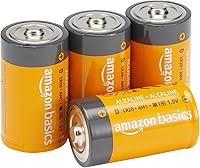
The EKO Mirage-T uses AA alkaline batteries, which are not included. EKO claims up to 8 months of use and specifically says not to use rechargeable batteries.
The iTouchless 13-gallon model requires 4 D batteries, also not included. iTouchless claims up to 2 years of battery life and supports its official AC adapter as an alternative.
The Ninestars XL requires 3 D batteries, not included, with a brand estimate of 6–9 months of use. Keep the right size on hand rather than assuming the batteries already in your kitchen drawer will fit.
Treat these intervals as planning guides, not a replacement schedule. A bin opened throughout meal prep has a different workload from one used a few times each day.
Replace batteries when lid operation weakens or the model indicates low power. Follow the instructions and change the full set together rather than mixing fresh cells with partly used ones.
When the iTouchless adapter makes sense
The iTouchless Official AC Power Adapter is an accessory, not a trash can. It suits someone who already has, or plans to buy, a compatible iTouchless can and wants to avoid routine battery changes.
It works only with iTouchless products and supports the brand’s sensor cans from 2.5 to 23 gallons. Its cord measures 5 ft 10 in, and iTouchless identifies the adapter as UL Listed.
Skip this accessory for an EKO or Ninestars can. iTouchless also warns that using another brand’s adapter with its cans voids the manufacturer’s warranty.
Before choosing outlet power, check the cord’s full route. It should reach without crossing a walking path, getting trapped behind the can or pulling tight when you move the bin to clean.
Who should choose the EKO Mirage-T?
Choose the EKO Mirage-T for repeated loading during meal prep. Its touch switch holds the lid open, so you can scrape several plates or gather scraps without repeatedly waving at the sensor.
The lid closes gently and quietly, and the brushed stainless steel finish has a fingerprint-resistant coating. Those features suit an exposed kitchen spot where the bin stays visible and gets frequent use.
This is a useful choice for someone who wants a kitchen-size bin with a simple way to extend loading time. Its stay-open control is more relevant to that routine than a larger bin would be.
Skip it if using rechargeable batteries is a firm requirement. Also choose the iTouchless instead if a manual lock is central to your decision.
For other sensor designs, compare our guides to best motion sensor trash cans and best automatic trash cans.
How much capacity and space do you need?
Choose capacity around how much trash you produce between sensible emptying times. A larger can helps with volume, but it should not become a reason to leave wet food waste indoors longer.
Use your current bin as a guide. If it fills with dry packaging before your usual emptying time, more room may help; if you empty it partly full because of smells, added capacity solves little.
Measure the lid path and bag-removal space
Measure the floor area, then check the space above it. You need room for the lid to open and for your hands to lift the lid assembly or pull out a full bag.
| Model | Capacity | Space measurements to check |
|---|---|---|
| EKO Mirage-T | 50 liters / 13.2 gallons | 24.6 in closed height; 36 in open-lid height |
| iTouchless Pet Lock | 13 gallons | 12.7 x 10.8 x 27.3 in |
| Ninestars XL | 21 gallons / 80 liters | 18.78 x 14.45 x 27.4 in |
The EKO’s open-lid height is especially useful when checking a counter overhang. Do not assume the other models will fit beneath the same obstruction because their closed heights are similar.
Mark the footprint on the floor with removable tape. Open nearby drawers and doors, then stand where you normally prepare food to check whether the can crowds your feet or interrupts the walkway.
Our kitchen trash can sizes guide explains how gallons and liters relate to everyday use.
Who should choose the Ninestars XL?
Choose the Ninestars XL for high-volume indoor waste when you have room for its larger footprint. It suits a busy kitchen or shared indoor space where a smaller bin fills too quickly with packaging and general trash.
The can has a motion-activated lid, a liner ring and a fingerprint-resistant stainless steel body. Its main reason to buy is the extra room, so measure first rather than treating the XL size as an automatic upgrade.
Skip it for a narrow kitchen or a household that already empties a smaller bag before it fills. A larger bag can also become harder to carry if you let dense waste build up.
Which lid features matter for pets, smells and daily use?
Prioritize a lock for controlled access, a stay-open control for repeated loading and easy cleaning for odor care. These features solve different problems, so choose around the one that affects your kitchen most.
Quiet closing matters if the kitchen sits beside a living or sleeping area. Both the EKO and iTouchless models have quiet-close operation, but that feature does not control who can open the lid.
Who should choose the iTouchless Pet Lock model?
Choose the iTouchless 13-gallon model if you want to disable sensor opening with a manual lock. Its side lock control is useful when pets or young children may approach the bin.
The lock needs to be engaged to serve that purpose. Expect an extra step when you want to dispose of something while it is locked.
This model also includes an AbsorbX carbon odor filter, with the first filter supplied. iTouchless says the filter helps neutralize odors, making it a useful extra for households that want odor control alongside a lock.
Skip it if your main need is much more waste capacity. Its lock also should not be your whole pet-management plan, especially if an animal can reach loose bags or knock a bin around.
Our dog-proof kitchen trash can guide covers placement and other ways to reduce access.
Odor control still starts with waste habits
Empty wet, leaking or strongly smelling waste before waiting for the bag to fill. A filter does not remove residue from the body, underside of the lid or bag-retaining area.
Keep liquids out of the bag where practical, and clean spills as soon as you notice them. Follow the filter-care instructions rather than washing a carbon filter unless the manufacturer allows it.
For a fuller routine, read how to keep a kitchen trash can from smelling.
How should you set up a sensor trash can?
Set up the can in its final position with the correct batteries and a properly seated bag. Then check opening, closing and any special controls before filling it.
- Remove packaging from the body, lid and battery area.
- Read the model’s battery and power instructions.
- Install the specified batteries in the marked direction, or connect an approved adapter as directed.
- Fit the bag and seat the retaining ring.
- Place the lid securely and switch the can on.
- Try a normal approach, then check the lock or stay-open control if fitted.
Start with the can away from cabinet edges and objects that could block the lid. Once it works normally, adjust its position while keeping the sensor’s intended approach path clear.
Walk past it as you normally would while cooking. If passing movement triggers the lid, try changing the can’s position or angle before settling on that spot.
If you use a lock, make sure everyone who empties the bin knows where it is. A locked lid can look like a power problem to someone unfamiliar with the control.
How do you prevent bag slips and difficult cleanup?
Use a bag that fits the opening and reaches the bottom without pulling tight. Seat the retaining ring evenly and keep loose plastic away from the lid and sensor area.
The EKO and iTouchless models accept standard 13-gallon kitchen bags and use a ring to hold the bag in place. Neither has an inner bucket, so leaks need prompt attention inside the body.
For the Ninestars XL, choose a bag suited to its larger capacity and opening. Do not stretch a smaller kitchen bag over the rim just because it can reach around part of the top.
Avoid packing waste above the rim or pressing it firmly into the body. Overfilling can obstruct the lid, strain the bag and make removal harder.
When changing a bag, check underneath it for moisture. Wipe spills before fitting the next bag so residue does not remain hidden for another emptying cycle.
Clean the sensor window gently with a soft cloth, following the care instructions. Keep water and cleaner out of switches, battery contacts and other electronic parts.
For the exterior, our guide to cleaning a stainless steel trash can explains how to remove marks without harsh scrubbing.
What mistakes should you avoid with a battery powered bin?
Avoid buying around one headline feature while overlooking how the can fits your routine. The common mistakes involve size, power compatibility and placement.
- Choosing the largest capacity available. Extra room helps only if you need it and can lift the resulting bag.
- Measuring only the closed can. Lid movement and bag removal need space too.
- Using whichever batteries are nearby. Follow the required type and replace the set together.
- Buying an adapter by plug shape alone. Use the approved power supply for your model.
- Placing the sensor beside constant movement. Unwanted openings add lid cycles and may shorten battery life.
- Relying on a filter to replace cleaning. Leaks and food residue still need removal.
Also consider how often you hold the lid open during cooking. Repeatedly triggering the sensor for one long cleanup task is less convenient than using a suitable stay-open control.
What should you do if the can stops responding?
Check power, controls and blocked movement first. A switched-off can, engaged lock or bag caught beneath the lid can interrupt normal use without a failed sensor.
Confirm battery direction and replace weak batteries with the specified type. If you use an adapter, check the outlet and connections while keeping your hands and the power area dry.
Remove objects from the sensor area and check that the lid sits correctly. Follow the model’s reset steps rather than forcing the lid or repeatedly pressing controls.
For replacement help, see how to change the batteries in a sensor trash can. Our guide to an iTouchless trash can that will not open covers further checks for that brand.
If the problem remains, contact the manufacturer with the model details and a clear description of what happens. Note whether the lid does nothing, starts moving or stops partway, since those symptoms call for different checks.
Which battery operated trash can should you choose?
Choose your battery operated trash can by the job it needs to do, then confirm its fit and power requirements. Use these decision rules to make the final choice:
- Choose EKO Mirage-T for repeated loading during cooking, especially when holding the lid open matters.
- Choose iTouchless Pet Lock for a manual sensor lock, an included odor filter and the option of approved outlet power.
- Choose Ninestars XL when waste volume regularly exceeds a smaller bin and your kitchen has room for it.
- Choose the official iTouchless adapter only as a power accessory for a compatible iTouchless can.
Before ordering, measure the lid’s path, plan where replacement batteries will stay and check that your bags suit the can. Those small steps prevent more daily annoyances than choosing by battery-life claims alone.
If you are still deciding between sensor, step and dual-compartment designs, compare the best kitchen trash cans before choosing your lid style.
Frequently asked questions
Are battery operated trash cans worth buying?
A battery operated trash can is worth considering if you often discard scraps with full or messy hands and want freedom from an outlet. Choose a step can instead if you prefer foot-operated opening without battery changes.
Floor space, lid clearance and bag fit matter as much as the sensor.
Can I use rechargeable batteries in a sensor trash can?
Use rechargeable batteries only when your model’s instructions allow them. EKO requires AA alkaline batteries for the Mirage-T and says not to use rechargeable batteries.
Follow the specified battery type, replace the full set together, and avoid mixing old and new cells or different battery types.
Can a sensor trash can use an AC adapter instead of batteries?
Some sensor trash cans can use a compatible AC adapter instead of batteries. The official iTouchless adapter supports iTouchless sensor cans from 2.5 to 23 gallons and works only with that brand.
Follow your can’s power instructions, and route the cord away from walking paths and wet areas.
How long do batteries last in a sensor trash can?
Battery life depends on the model, opening frequency and battery condition. EKO claims up to 8 months, Ninestars estimates 6–9 months for its XL can, and iTouchless claims up to 2 years for its 13-gallon model.
Frequent openings, including unwanted sensor triggers, can bring replacement time forward.
Why is my sensor trash can not opening?
Check battery direction, fresh power and any lid lock before assuming the sensor has failed. Clear objects from the sensor area and remove anything blocking lid movement.
Follow your model’s instructions, or use our guide to why an iTouchless trash can won’t open for more checks.