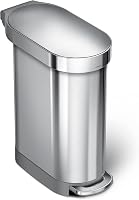
Garbage Can vs Trash Can: Is There a Difference? (October 2026)
The garbage can vs trash can difference is usually just the name: both hold discarded waste. Choose your kitchen bin by its capacity, footprint, lid and liner fit.
On this page (10 sections)
- Is there a difference between a garbage can and a trash can?
- What size kitchen can should you choose?
- How do you check whether a kitchen bin will fit?
- Which of these kitchen cans suits your routine?
- Which lid and liner features matter most?
- How should you set up a new kitchen can?
- How do you keep a garbage can clean and control smells?
- Should waste and recycling go in the same can?
- What mistakes should you avoid before buying?
- Garbage can vs trash can: which should you choose?
The garbage can vs trash can difference is usually just the name: both describe a container for discarded waste. For kitchen shopping, the useful differences are capacity, fit, lid operation and how you handle the bag.
Some people use garbage to mean food scraps and trash to mean dry waste. That habit doesn't create two separate types of kitchen can, and you shouldn't choose a model based on the wording alone.
The 3 step cans below solve different daily problems: keeping spare bags nearby, holding the lid open during cleanup, and hiding loose liner edges. Start with the job you need done, then check that the can fits.


Is there a difference between a garbage can and a trash can?
In everyday household use, there is no standard product difference between a garbage can and a trash can. Either name can describe the same kitchen container.
A workplace or collection program may use those words to separate waste streams. Follow its labels in that setting, but don't assume every retailer uses the same distinction.
An outdoor collection can serves a different job from an indoor kitchen bin, even when both share a name. Wheels, collection requirements and outdoor placement matter for the first; convenient access and liner handling matter more inside.
Does garbage can vs trash can change by region?
Yes, word choice varies by region and household, while the basic object often stays the same. Garbage bin, trash bin and waste bin are also common terms.
The word bin doesn't mean a smaller container, and can doesn't guarantee a metal body. Read the capacity, materials and dimensions instead of treating the name as a feature.
If you're replacing a can you already like, write down what works about it. Its shape, opening method and bag fit are more useful reference points than the word printed on its label.
What size kitchen can should you choose?
Choose a capacity that balances your waste volume and emptying routine. More space helps with bulky dry waste, but it can encourage food scraps to sit too long.
A smaller household that cooks often may need frequent bag changes despite producing little packaging. A busier home that recycles boxes and containers separately may need less mixed-waste space than expected.
Before ordering, notice why you currently empty the can. If it fills before the bag gets heavy, more capacity may help; if it smells while half full, a larger can won't solve the problem.
Also consider who carries the bag out. A large liner packed with wet scraps can become awkward to lift even when the can still has room.
These picks hold 13 to 13.2 gallons, so their small capacity difference shouldn't drive the decision. Their liner systems and lid features offer more useful reasons to choose one over another.
Our kitchen trash can size guide explains gallons and liters in more detail. Compare capacity with your routine before deciding how much floor space to give up.
How do you check whether a kitchen bin will fit?
Measure the floor space, lid clearance and access around the can. A bin that fits with its lid shut may still be awkward to use or empty.
Leave room to stand at the pedal without leaning over a counter or stepping into a walkway. Check nearby cabinet doors, dishwasher doors and drawers through their full travel.
Allow space to lift a filled bag straight out. Under a counter overhang, you may need to move the entire can every time you empty it.
For these models, the closed dimensions are:
| Can | Closed dimensions |
|---|---|
| Glad | 16 L x 16 W x 23 H inches |
| Amazon Basics | About 16.7 L x 14.7 W x 25.9 H inches |
| SONGMICS | 17 L x 14.6 W x 24.9 H inches |
Those heights don't include an open lid. Mark the footprint on the floor, then check the space above it before committing to a location.
Glad also needs useful side access if you want to dispense bags from its rear storage compartment. A tight gap between cabinets could reduce the convenience of that feature.
For broader help with lid types and layout tradeoffs, use our guide to choosing a kitchen trash can.
Which of these kitchen cans suits your routine?
Choose Glad for nearby liner storage, Amazon Basics for longer cleanup sessions, or SONGMICS for tidy bag edges. All 3 use a foot pedal, so the choice here centers on what happens during bag changes and cleanup.
Glad: choose it when spare bags need a home
Glad suits a kitchen where replacement liners otherwise end up across the room or buried in a cupboard. Its rear compartment stores extra bags and dispenses them from the sides.
Bag rings hold the liner in place and tuck away slack. That helps if you dislike exposed bag edges or find yourself repeatedly pulling a slipped liner back over the rim.
Glad says its Clorox odor protection blocks unwanted odors on the lid and lid frame for the life of the can. Treat that as a feature of those parts, while continuing to remove food waste and clean spills.
The brushed pewter exterior is fingerprint resistant, and the lid closes softly. Those features suit a visible kitchen location where fingerprints and lid noise would be noticeable.
Skip this model if your main need is a removable bucket or a lid that stays open for extended chores. The other 2 choices provide those features directly.
Amazon Basics: choose it for longer cleanup jobs
Amazon Basics suits people who clear several plates, sort fridge contents or peel vegetables in one session. Its stay-open lid lets you keep working without pressing the pedal for each item.
The removable plastic bucket gives you access to leaks or scraps that miss the liner. A carry handle also helps when you need to move the can to clean the floor beneath it.
Its brushed stainless steel exterior is smudge resistant, and the lid has a soft-close action. Close the lid after an extended cleanup so the opening doesn't remain exposed between tasks.
Choose this model when bucket access matters more than built-in spare-bag storage. Skip it if you need separate compartments for recycling or a can that can operate beneath a low shelf.
SONGMICS: choose it for a can that sits in view
SONGMICS suits a kitchen where a loose bag cuff would be easy to see. A hole at the back of the inner bucket lets you tuck in excess liner material and hold it in place.
The removable bucket has inner handles for lifting it out. That gives you a way to reach the inside for cleaning without washing around a fitted liner.
You can also raise the lid fully by hand to keep it open during a longer chore. Use the pedal for ordinary disposal and the stay-open position when you're working through several items.
SONGMICS describes the stainless steel body as rust resistant and fingerprint resistant. Wipe away spills promptly rather than letting residue collect around the base or lid edge.
Skip it if you want the quickest possible bag change without arranging excess liner material. Its bag-tucking feature is most useful when a neat finish matters enough to justify that extra step.
Which lid and liner features matter most?
Prioritize easy opening and a secure bag before smaller finish details. A can becomes inconvenient quickly if you struggle to reach the pedal or the liner slips inward.
A pedal suits disposal when your hands are full or messy, provided you can reach it comfortably. If foot operation is difficult for someone in your household, consider a different opening method.
Soft-close action addresses closing noise. It doesn't make a lid lock against pets or hold a bag in place, so keep those needs separate when comparing features.
For liners, check both the stated capacity and the bag's shape. The opening must stretch securely around the rim, while the bag needs enough depth to reach the bottom without hanging under tension.
Avoid stuffing a narrow bag into a wider can just because the gallon number looks right. Extra slack can often be tucked away, but a bag pulled too tight may slip or tear as waste adds weight.
Material is a separate choice from the name garbage or trash. Our stainless steel vs plastic trash can comparison helps you weigh surface care, placement and everyday handling.
How should you set up a new kitchen can?
Start with a flat location and a correctly fitted liner. Check the opening and bag-removal path before filling the can.
- Remove packaging and inspect the inside for loose packing material.
- Place the can where the pedal is easy to reach and the lid can open freely.
- Fit the bag over the rim or inner bucket, letting it reach the bottom.
- Secure excess material with the can's rings or bag-tucking feature, if provided.
- Open and close the lid to check that the liner doesn't catch in its path.
Keep the bag clear of hinges and moving parts. Don't force the lid shut over a bulky fold of plastic.
For a removable-bucket model, seat the bucket fully before using the pedal. Keep spare liners somewhere you can reach during a bag change without leaving an open can in the walkway.
Placement should follow your usual food-prep route. Our guide to where to put a trash can in the kitchen covers spots that keep disposal close without blocking appliances.
How do you keep a garbage can clean and control smells?
Remove food waste promptly and clean leaks at the source. A closed lid can limit exposure to waste, but residue beneath the bag will remain until you remove it.
Check the bottom whenever a bag leaks or feels wet. Take out any removable bucket, wash away residue with mild soap and water, and let the parts dry before fitting a fresh liner.
For the exterior, use a soft cloth and avoid abrasive pads that can scratch the finish. Follow the brand's care directions for the specific surface.
Wipe the underside of the lid and the rim, where splashes and bag residue can collect. Keep water away from the hinge and pedal mechanism, and avoid soaking the whole assembled can.
Don't press wet waste down with your hand to make room. It can split the liner, make the bag harder to remove and leave more cleanup beneath it.
If smells return soon after changing the bag, check hidden residue before adding a fragrance. Our guide to keeping a kitchen trash can from smelling explains how to work through common odor sources.
Should waste and recycling go in the same can?
Use separate containers or compartments when you need to collect waste and recycling at the same time. One open space won't keep the materials apart.
You can dedicate any suitable kitchen can to recycling, but label it clearly. Keep food waste out of that container and follow your local collection rules for accepted materials and preparation.
A divided design may save you from placing 2 separate cans side by side. Check each compartment's capacity, since the total volume is shared between waste streams.
Don't buy a larger mixed-waste can to solve a sorting problem. Our recycle bin vs trash can guide helps you plan the containers around what your household actually discards.
What mistakes should you avoid before buying?
Avoid choosing by name, capacity or appearance alone. Each leaves out practical details that affect daily use.
- Buying for rare overflow: Extra room for an occasional gathering may leave routine food waste sitting longer. Plan a temporary overflow option instead.
- Ignoring the carry-out route: A heavy bag still needs to pass through doors and reach your collection point comfortably.
- Assuming a lid is pet proof: A closed or soft-close lid doesn't establish a locking feature.
- Blocking useful features: Tight placement can prevent access to bag storage, bucket handles or the lid.
- Forcing an overfilled bag out: Change it while the top can still gather closed without pulling against packed waste.
Also avoid treating a smudge-resistant finish as a cleaning-free surface. It still needs prompt attention when food or liquid lands on it.
Garbage can vs trash can: which should you choose?
For garbage can vs trash can, either name is fine; choose the design that removes a specific daily inconvenience. Confirm the fit first, then choose the features you'll use at each bag change.
Pick Glad if keeping spare liners at the can will simplify your routine. Pick Amazon Basics for repeated disposal during cleanouts, or SONGMICS if securing loose bag edges matters in a visible spot.
Skip all 3 if you need a divided recycling station, a locking lid or a compact cabinet bin. A familiar capacity doesn't make them suitable for every kitchen.
If you're still unsure about the footprint or capacity, return to the kitchen trash can size guide before choosing. Start with the waste you produce and the space you can comfortably use.
Frequently asked questions
Is a garbage can different from a trash can?
Usually, no. Both names describe a container for discarded waste, and household usage often overlaps.
Some people use garbage for food scraps and trash for dry waste, but that distinction doesn't define the container.
Compare the intended use, capacity, dimensions and lid before choosing one.
What is the difference between a garbage bin and a garbage can?
The words usually describe the same kind of container, and neither sets a standard size or material. A bin can be a small indoor container or a large outdoor one.
Check where it belongs and how it opens rather than assuming the name tells you those details.
Should I buy a garbage can or a trash can for my kitchen?
Buy whichever container fits your space and waste routine, regardless of its name. Measure the floor area and lid clearance, then choose a capacity you can empty before food waste smells.
A step pedal suits frequent kitchen use, while a removable bucket makes spills inside easier to reach.
Can a kitchen garbage can hold recycling too?
Yes, you can dedicate a kitchen can to recycling, but one undivided compartment won't keep recycling separate from other waste. Use clearly labeled separate containers or a divided design if you collect both.
Follow your local program's rules for accepted materials, preparation and whether recyclables should be loose.